Basic Information
Description
A branch temple of Enryaku-ji on Mount Hiei, belonging to the Tendai sect and holding the prestigious status of a monzeki temple (headed by members of the imperial family).
During the Edo period, it went by names like Entoku-in and Enyu-in, and was also known as the Kajii Monzeki or Nashinomoto-bo. It only came to be called Sanzen-in after the Meiji era.
The principal image is Amida Nyorai (Amida Buddha). The temple's origins trace back to 788, when the monk Saicho built Enyu-bo beneath a pear tree on Mount Hiei.
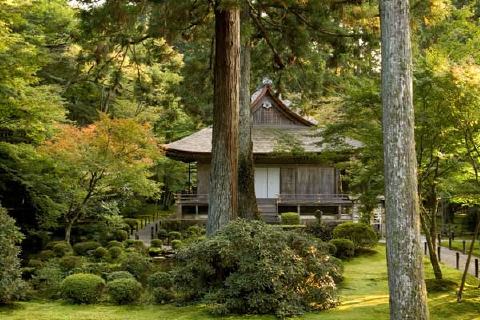
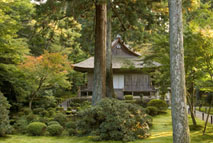
Gokuraku-in Hall is said to have been the site of a hermitage and personal Buddha hall belonging to Annyo-ni, the younger sister of the monk Eshin Sozu (Genshin). That's what Sanzen-in's own pamphlet says, though there is also a theory that it was built between 1143 and 1148 by Shinnyo-bo-ni, the wife of Takamatsu Chunagon Sanehira.
Formally called Ojo Gokuraku-in Amida-do. It's designated an Important Cultural Property and was built around the 12th century.
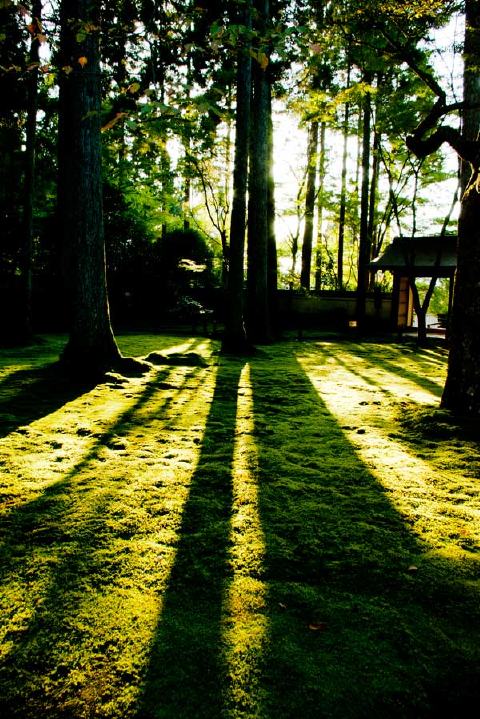
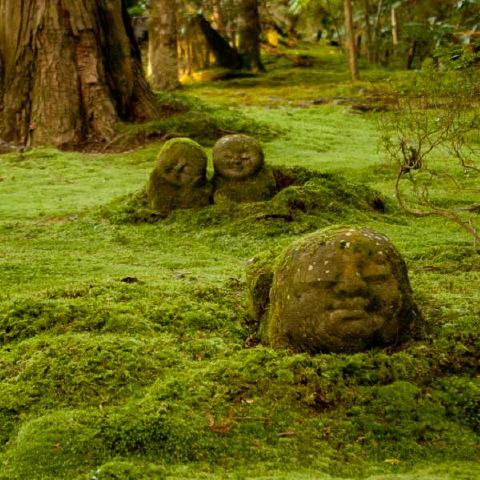
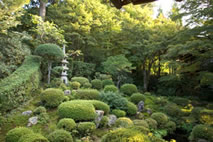
It's quite far from central Kyoto and the access isn't exactly convenient, but Sanzen-in is one of the most famous temple destinations not just in Ohara but in all of Kyoto, and the gardens are exceptionally well maintained.