Basic Information
Description
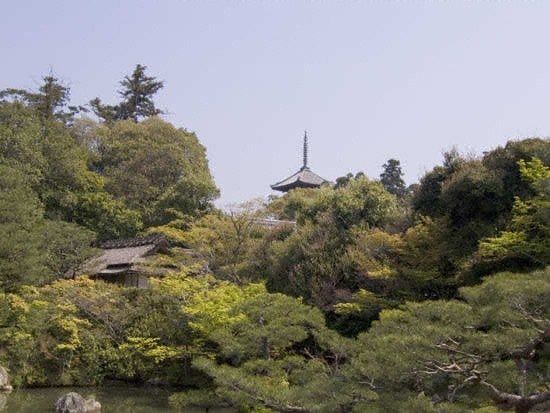
Also known as the Ninna-ji Monzeki or Omuro Gosho (Omuro Imperial Palace).
One of Kyoto's most representative temples — it appears multiple times in the Tsurezuregusa (Essays in Idleness). The principal image is an Amida Triad.
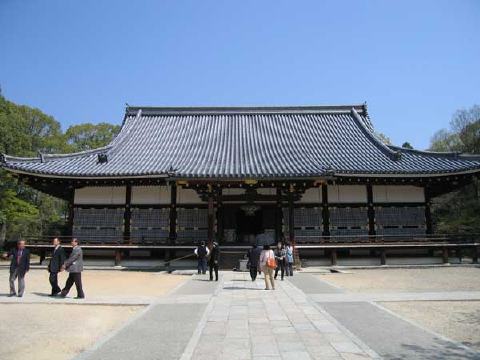
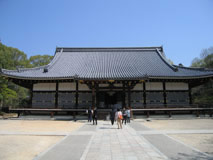
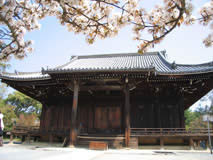
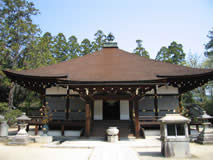
Construction began in 886 under Emperor Koko, but was completed posthumously in 888 under Emperor Uda with the finishing of the Kondo (Main Hall).
After abdicating, Emperor Uda took the tonsure in 899 to practice Shingon esoteric Buddhism, and a residence (omuro) was built for him within the temple grounds. Originally Tendai-influenced, the temple shifted to the Shingon Tomitsu lineage after Emperor Uda took up residence.
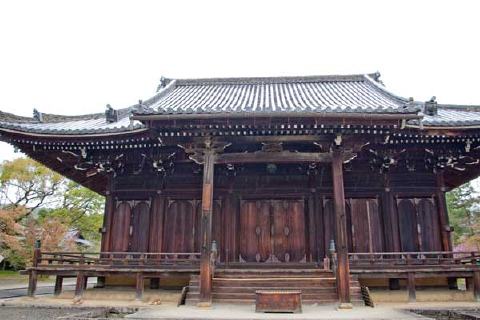
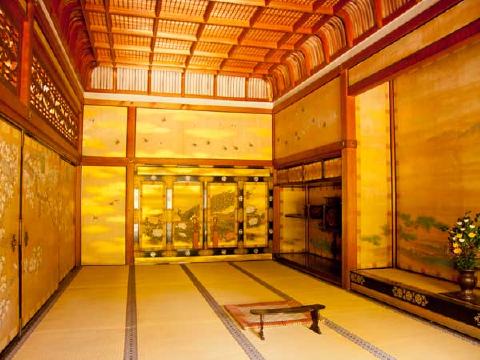
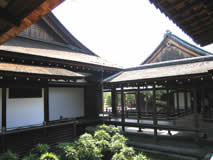
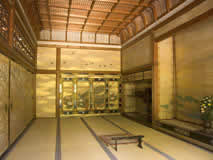
Most of Ninna-ji's buildings were lost in the Onin War, but in 1634, under Tokugawa Iemitsu, structures including the Shishin-den and Seiryo-den were relocated here from the Imperial Palace.
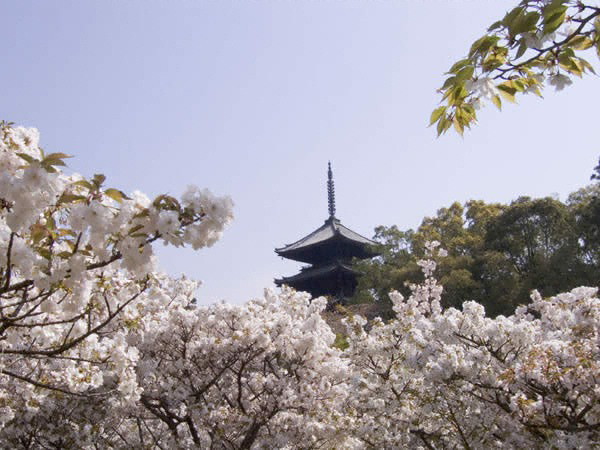
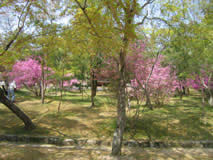
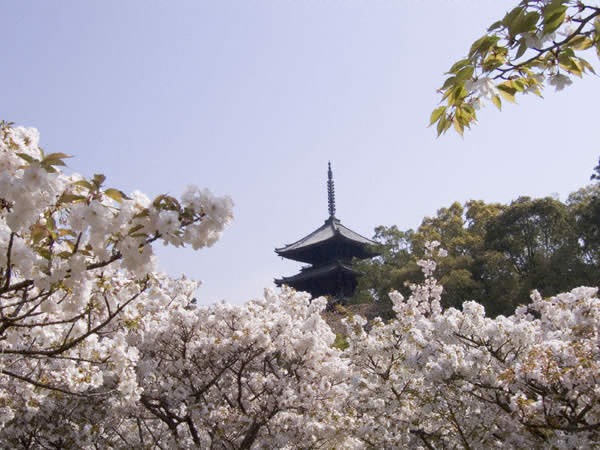
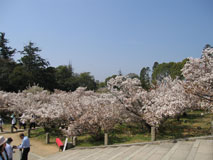
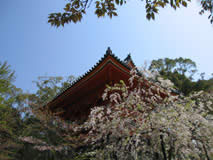
Also famous for its Omuro cherry blossoms. The Omuro cherries bloom a little later than the Somei-Yoshino variety.