Basic Information
Description
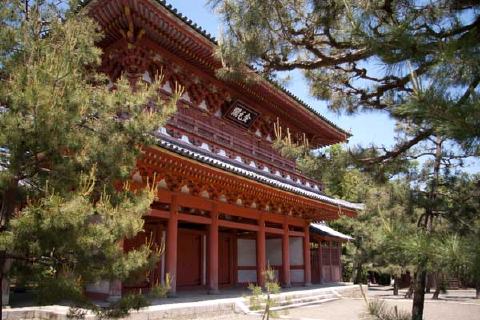
Founded in 1319 (Geno 1) by Daito Kokushi (Shuho Myocho).
From the Hanazono to the Go-Daigo eras, the temple held such prestige that it was ranked even above the Five Great Zen Temples. But under the Ashikaga shogunate, it withdrew from the Five Mountains system entirely.
It's one of the largest Zen temples in Kyoto, and like Myoshin-ji, its grounds are a small town of sub-temples.
A statue of Sen no Rikyu was placed in the upper story of the main gate, which enraged Toyotomi Hideyoshi and led to Rikyu being forced to commit ritual suicide.
Open 9:00 AM to 5:00 PM (until 4:00 PM from December to February).
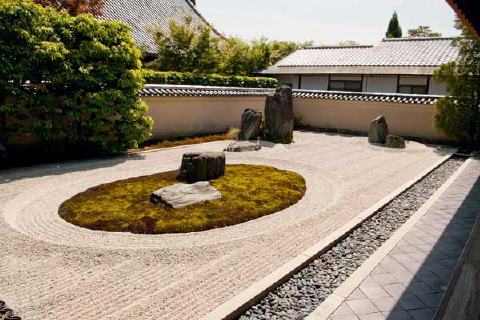
Founded in 1509 (Eisho 6). Famous for its dry landscape garden, created by the abbot Kogaku Sotan.
No photography allowed.
Open 9:00 AM to 4:30 PM. Admission 350 yen.
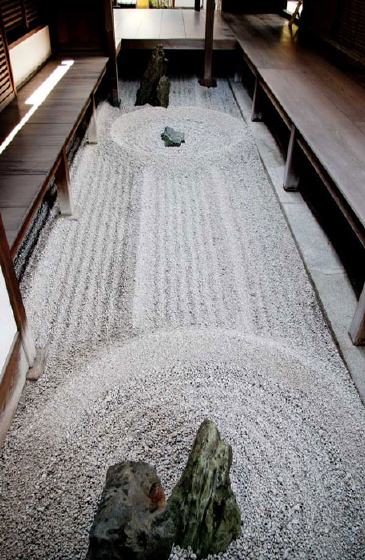
South of the Imperial Messenger Gate. It boasts three gardens: the Ippachi-dan (south), known for its gorgeous moss; the dry landscape Ryogin-tei (north); and the Totekiko (east), the smallest garden in Japan.
Open 9:00 AM to 5:00 PM. Admission 300 yen.
Founded by the Christian daimyo Otomo Sorin.
The gardens here are also the main draw — the Dokuza-tei uses white sand, stones, and moss to represent the grandeur of nature, while the Kanmin-tei features a cross-shaped stone arrangement.
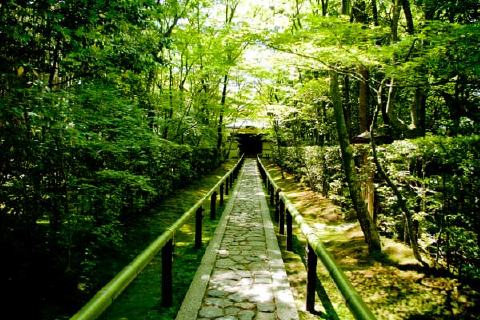
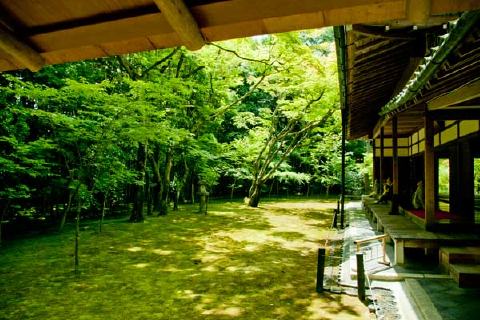
Open 9:00 AM to 4:30 PM. Admission 400 yen. The approach is lined with maples on both sides, and the gardens are full of them too, making it a renowned autumn foliage spot. The study hall is a relocated structure that was originally Sen no Rikyu's residence.