Sagano & Arashiyama Walk
Spots on This Course


Course Guide
If you're using the train, you can really go either direction, but since the mountains are close in the Arashiyama/Sagano area and it gets dark earlier, if you're starting your walk in the afternoon, it might be better to go from west to east.
Autumn foliage season can be just way too crowded, honestly. The history of Sagano — which could almost be summed up with the word 'mujo' (impermanence) — pairs beautifully with the autumn colors, but most of the temples here are small, and the crowds kind of kill the mood. Try to head out early in the morning.
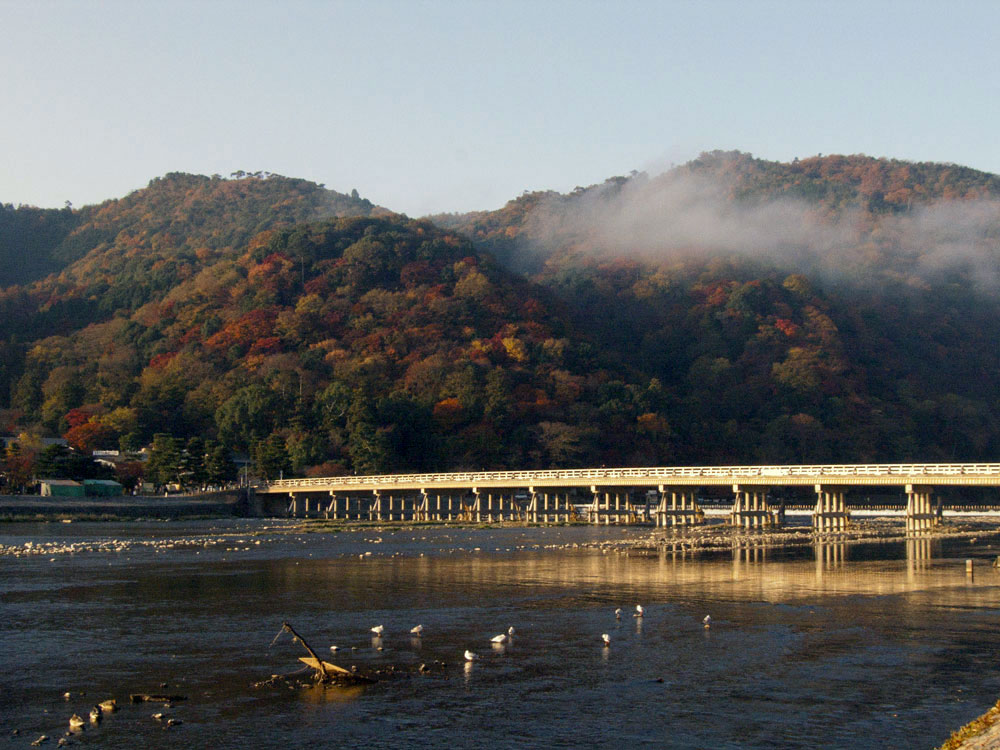
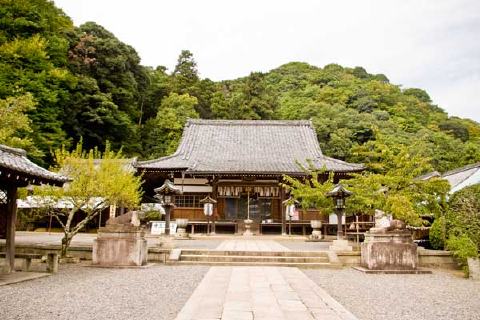
Start at Togetsukyo Bridge. It used to also be called Horin-bashi, and the temple it was named after — Horin-ji — is right at the base of the mountain across the bridge. It appears in The Pillow Book and Konjaku Monogatari, but admission is free and hardly anyone goes there, so it's a great hidden spot. I'd recommend the Denden-gu shrine, Horin-ji's unique charms, and the view overlooking Sagano from the viewing platform. Oh, and if you've run out of memory cards for your camera, here's a trick — you can get a microSD card as an omamori (charm).
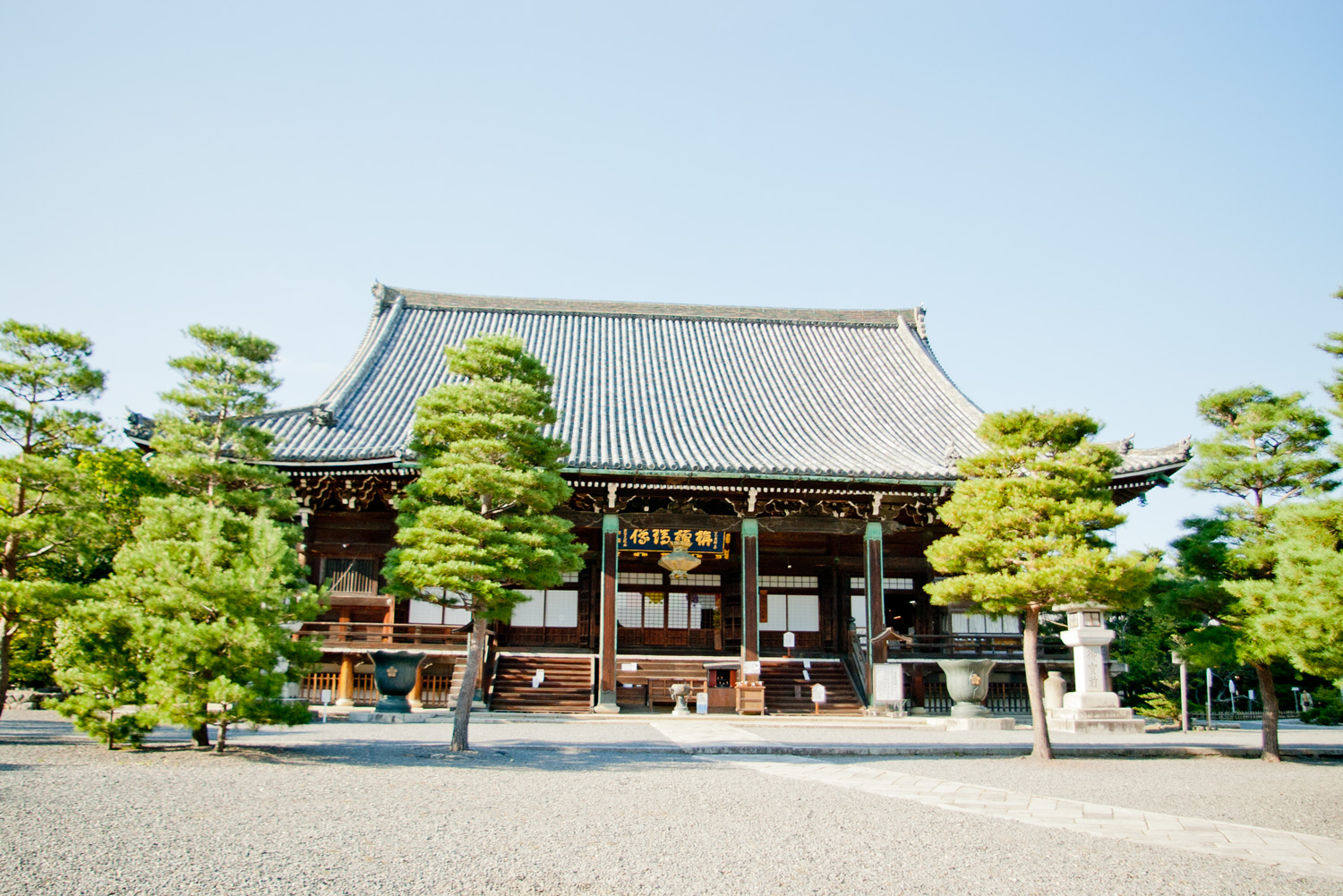
From Togetsukyo, follow the river and turn right, and you'll reach Tenryu-ji. Next to it is the sub-temple Hogon-in, which is also open to visitors. Arashiyama Park and Hogon-in are especially nice in autumn. Tenryu-ji is the head temple of the Rinzai Tenryu-ji school, founded by Ashikaga Takauji, and its grand garden by Muso Soseki, using Arashiyama and Kameyama as borrowed scenery, is the main attraction. Along with Seiryo-ji and Daikaku-ji, it's one of the biggest temples in this area.
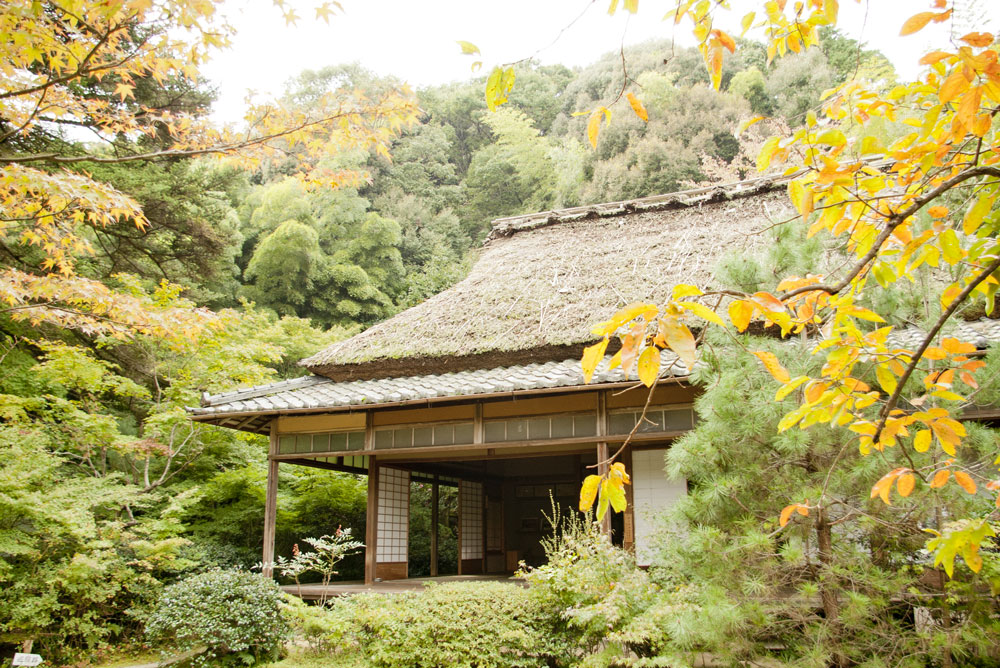
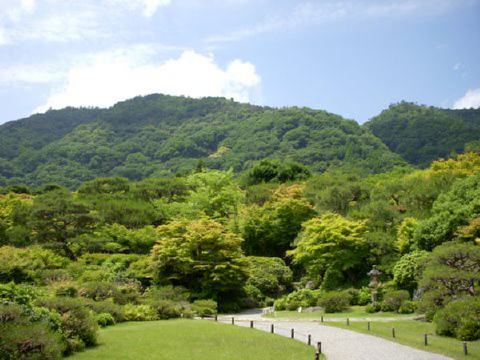
Go through Tenryu-ji and you'll pass through the bamboo grove that's famous even overseas. Head north and you'll reach the mountain villa of the old film star Okochi Denjiro — Okochi Sanso. The landscaping that takes advantage of the mountainside is really lovely. It's not a historical site per se, but there aren't many people, so during peak season when every cafe is packed, I'd recommend just relaxing here instead.
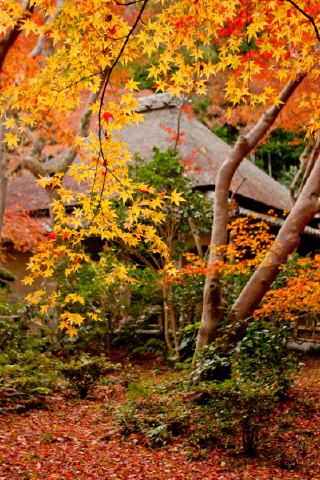
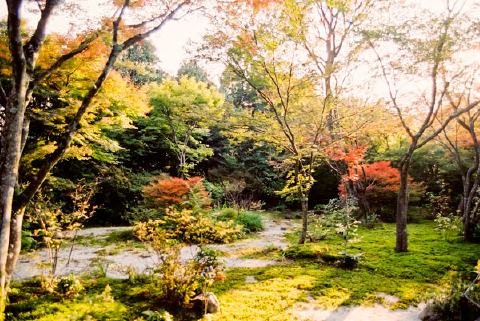
Jojakkoji and Nison-in are autumn foliage classics, but if there's a huge line, just skip them. Gio-ji is a temple with beautiful moss, maples, and a thatched roof — it was re-established in the Meiji era on the ruins of Ojoin. This is the area where Gio, who lost the favor of Taira no Kiyomori, took the tonsure and lived with her mother and sister.
Takiguchi-dera, tucked behind it, is another site of heartbroken love leading to monastic life. It's also very small, but it has that quintessential Sagano atmosphere.
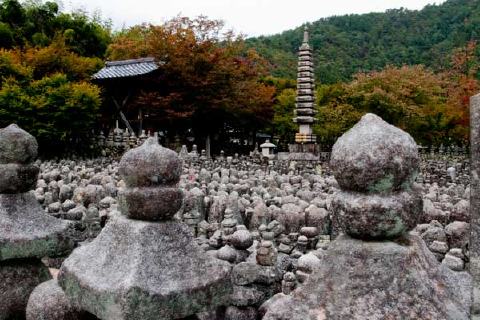
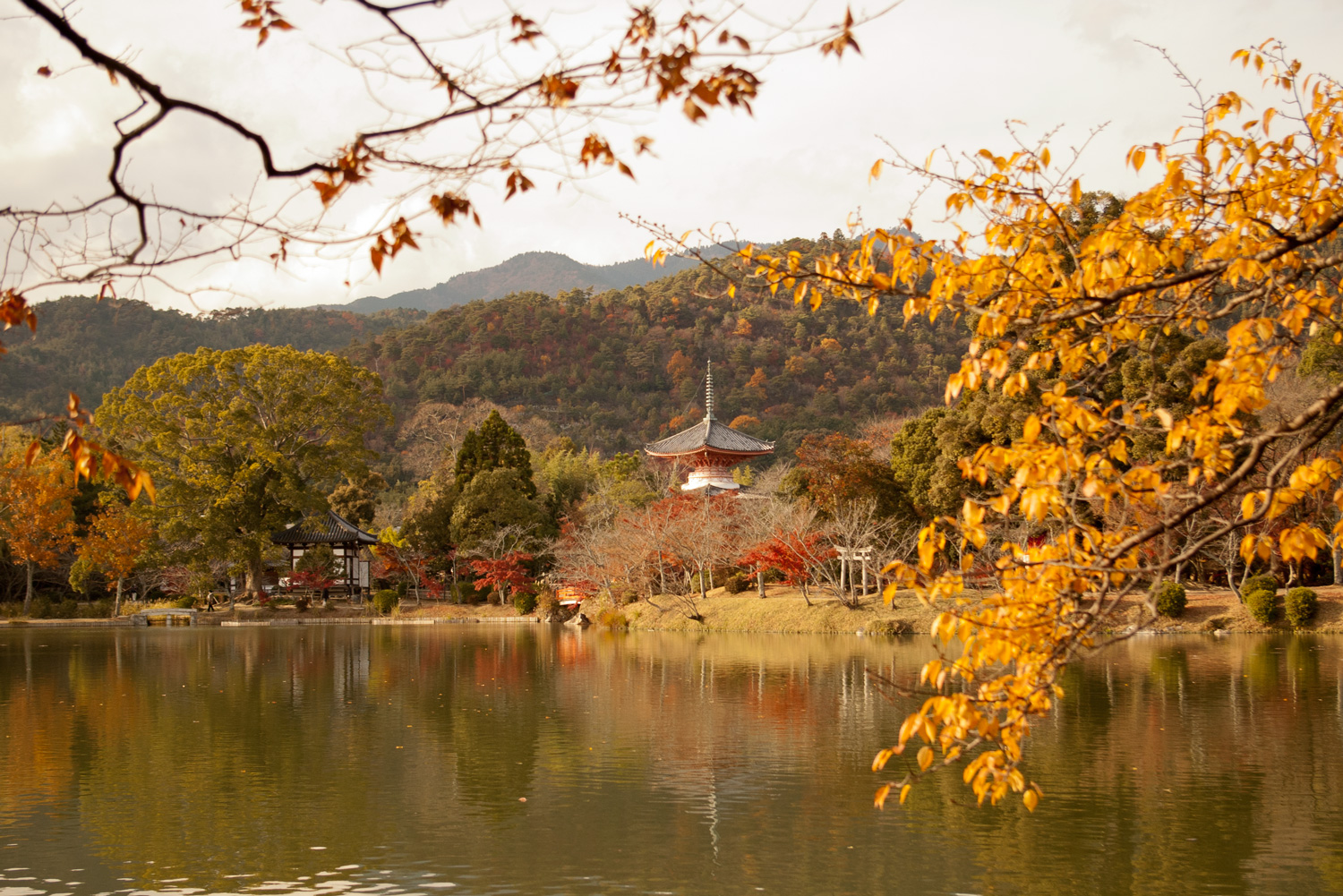
Head back to the Atago Kaido road and go north to reach Adashino Nembutsu-ji. It's a bit of a walk, but it appears in the Tsurezuregusa as a symbol of impermanence. The eight thousand stone Buddhist figures create an atmosphere you won't find anywhere else. And while the famous bamboo grove is the one near Tenryu-ji, the bamboo grove here is also worth seeing. Daikaku-ji is also very much in the Sagano spirit, and the view of Daikaku-ji across Osawa Pond is really picturesque. Definitely make the trip out there.
Detour: From Togetsukyo, head north along the Oi River and you'll reach Arashiyama Park. The view of Arashiyama and the Oi River from here during autumn foliage season is lovely.
Honestly, you might have more fun strolling through Arashiyama Park or around Hirosawa Pond than standing in lines at temples. You can also get to the Torokko Arashiyama Station through Arashiyama Park.
Hirosawa Pond is a bit out of the way for a casual stop, but the quiet, wabi atmosphere of the Chiyo-no-Furumichi path feels like it hasn't changed in a thousand years.
Autumn foliage season can be just way too crowded, honestly. The history of Sagano — which could almost be summed up with the word 'mujo' (impermanence) — pairs beautifully with the autumn colors, but most of the temples here are small, and the crowds kind of kill the mood. Try to head out early in the morning.
Start at Togetsukyo Bridge. It used to also be called Horin-bashi, and the temple it was named after — Horin-ji — is right at the base of the mountain across the bridge. It appears in The Pillow Book and Konjaku Monogatari, but admission is free and hardly anyone goes there, so it's a great hidden spot. I'd recommend the Denden-gu shrine, Horin-ji's unique charms, and the view overlooking Sagano from the viewing platform. Oh, and if you've run out of memory cards for your camera, here's a trick — you can get a microSD card as an omamori (charm).
From Togetsukyo, follow the river and turn right, and you'll reach Tenryu-ji. Next to it is the sub-temple Hogon-in, which is also open to visitors. Arashiyama Park and Hogon-in are especially nice in autumn. Tenryu-ji is the head temple of the Rinzai Tenryu-ji school, founded by Ashikaga Takauji, and its grand garden by Muso Soseki, using Arashiyama and Kameyama as borrowed scenery, is the main attraction. Along with Seiryo-ji and Daikaku-ji, it's one of the biggest temples in this area.
Go through Tenryu-ji and you'll pass through the bamboo grove that's famous even overseas. Head north and you'll reach the mountain villa of the old film star Okochi Denjiro — Okochi Sanso. The landscaping that takes advantage of the mountainside is really lovely. It's not a historical site per se, but there aren't many people, so during peak season when every cafe is packed, I'd recommend just relaxing here instead.
Jojakkoji and Nison-in are autumn foliage classics, but if there's a huge line, just skip them. Gio-ji is a temple with beautiful moss, maples, and a thatched roof — it was re-established in the Meiji era on the ruins of Ojoin. This is the area where Gio, who lost the favor of Taira no Kiyomori, took the tonsure and lived with her mother and sister.
Takiguchi-dera, tucked behind it, is another site of heartbroken love leading to monastic life. It's also very small, but it has that quintessential Sagano atmosphere.
Head back to the Atago Kaido road and go north to reach Adashino Nembutsu-ji. It's a bit of a walk, but it appears in the Tsurezuregusa as a symbol of impermanence. The eight thousand stone Buddhist figures create an atmosphere you won't find anywhere else. And while the famous bamboo grove is the one near Tenryu-ji, the bamboo grove here is also worth seeing. Daikaku-ji is also very much in the Sagano spirit, and the view of Daikaku-ji across Osawa Pond is really picturesque. Definitely make the trip out there.
Detour: From Togetsukyo, head north along the Oi River and you'll reach Arashiyama Park. The view of Arashiyama and the Oi River from here during autumn foliage season is lovely.
Honestly, you might have more fun strolling through Arashiyama Park or around Hirosawa Pond than standing in lines at temples. You can also get to the Torokko Arashiyama Station through Arashiyama Park.
Hirosawa Pond is a bit out of the way for a casual stop, but the quiet, wabi atmosphere of the Chiyo-no-Furumichi path feels like it hasn't changed in a thousand years.